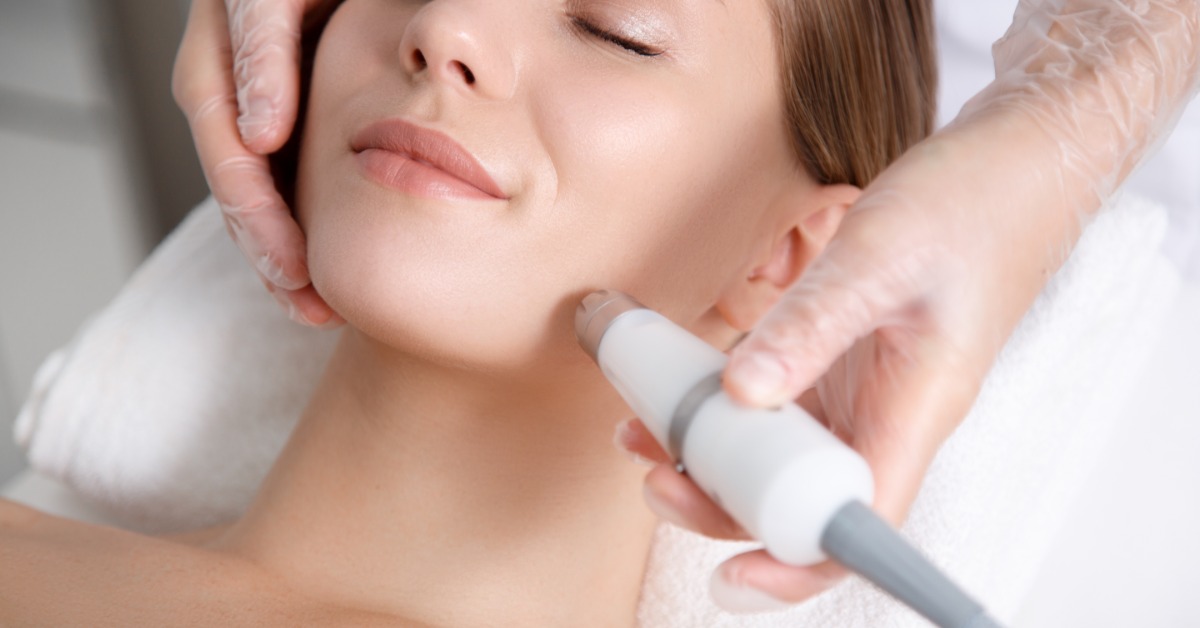
Skin changes naturally with age, sun exposure, and daily environmental stress. Fine lines can become more noticeable, texture may feel uneven, and discoloration can affect the complexion. Fortunately, improving these concerns does not always require surgery or a lengthy recovery. Modern aesthetic treatments can refresh the skin while preserving a natural appearance. Learning about the best non-surgical options for skin rejuvenation can help you understand which treatments may address your concerns while fitting your comfort level and available recovery time.
Refresh the Surface With Chemical Peels
Chemical peels use carefully formulated solutions to remove damaged cells from the outer layers of skin. As those cells shed, smoother skin emerges underneath. Providers offer peels at different strengths, allowing them to adjust treatment according to skin condition and desired results.
Light peels can address dullness and mild unevenness with limited downtime. Stronger peels may improve more noticeable discoloration or surface damage, but they usually require additional recovery. A professional can evaluate skin sensitivity before selecting the appropriate strength.
Peels also encourage regular cell turnover, which can make the complexion look brighter over time. Following aftercare instructions remains important because newly treated skin may become more sensitive to sunlight while healing.
Encourage Collagen Production With Microneedling
Microneedling uses very small needles to create controlled micro-injuries in the skin. These tiny injuries activate the body’s natural repair response and encourage collagen production. As new collagen develops, skin can gradually appear smoother and firmer.
Patients often consider microneedling when they want to address enlarged pores or mild acne scarring. It can also soften some early signs of aging without dramatically changing facial features. Because improvements depend on the body’s repair process, results develop gradually.
Some people need multiple sessions to reach their desired outcome. Treatment schedules depend on the condition of the skin and the concerns you want to address. Proper aftercare helps minimize irritation while supporting the healing process between appointments.
Address Skin Damage With Laser Treatments
Laser treatments use concentrated energy to target concerns at specific depths within the skin. Depending on the technology, treatment can improve uneven pigmentation or stimulate collagen remodeling. Providers can adjust laser settings based on the treatment area and the patient’s needs.
Understanding different cosmetic laser types and their applications can help patients have more productive conversations with aesthetic professionals. Ablative lasers remove portions of the skin’s surface and usually involve greater downtime. Non-ablative lasers work beneath the surface while leaving the outer layer more intact, which can shorten recovery.
Skin tone can influence which laser treatment is appropriate because laser energy interacts with pigment. A qualified provider should evaluate the skin before treatment and explain potential risks. Consistent sun protection also helps protect treated areas afterward.
Restore Facial Volume With Dermal Fillers
Skin rejuvenation sometimes requires addressing changes beneath the surface. Natural volume loss can create hollow areas or make certain facial folds appear more prominent. Dermal fillers provide a non-surgical method for restoring volume in selected areas.
A trained injector places filler beneath the skin to support facial contours and create subtle enhancement. Treatment should complement a person’s natural proportions rather than produce an artificial appearance. The amount and placement depend on individual anatomy.
Results typically become visible soon after treatment, although temporary swelling can initially affect the appearance. Different filler formulations last for varying lengths of time. Patients can discuss future maintenance appointments if they want to preserve their results.
Soften Expression Lines With Neuromodulators
Repeated facial movements can eventually create lines that remain visible even when the face relaxes. Injectable neuromodulators temporarily reduce activity in targeted muscles, which can soften these expression lines.
Providers commonly use these injections in areas where movement contributes strongly to visible wrinkles. Careful placement allows patients to retain natural expressions while reducing the appearance of unwanted lines. Treatment plans should reflect facial anatomy rather than follow the same injection pattern for every patient.
Results develop after the appointment and gradually fade as normal muscle activity returns. Patients who want to maintain the effect can schedule future treatments based on professional recommendations.
Improve Firmness With Radiofrequency Treatments
Radiofrequency treatments deliver controlled thermal energy beneath the skin. This energy encourages collagen remodeling, which can improve the appearance of mild skin laxity without surgical incisions.
Results generally develop gradually because the body needs time to produce and reorganize collagen. This gradual progression can appeal to patients who want subtle improvements rather than an immediate dramatic change. Providers can adjust treatment intensity according to the targeted area.
Some technologies combine radiofrequency energy with microneedling. The needles deliver energy into deeper layers while creating controlled micro-injuries. This approach may improve texture and firmness at the same time. A consultation can determine if this treatment suits a patient’s skin and goals.
Correct Uneven Tone With Light-Based Treatments
Intense pulsed light treatments use broad-spectrum light to target certain forms of pigmentation and visible redness. These treatments can help create a more even-looking complexion when discoloration makes the skin appear blotchy.
Light-based procedures require careful patient selection because the technology interacts with pigment. Skin tone and recent sun exposure can affect treatment safety. Patients should tell their provider about tanning or medications that could influence sensitivity before scheduling a session.
Some concerns require a series of appointments rather than a single treatment. Consistent sun protection afterward can help maintain improvements and reduce additional damage. Patients should follow their provider’s instructions during the recovery period.
Maintain Results With Thoughtful Skin Care
Professional treatments can improve the complexion, but daily skin care influences how well those improvements last. A consistent routine should protect the skin barrier and address personal concerns without causing unnecessary irritation.
Patients may benefit from professional recommendations when selecting cleansers or active ingredients. Some products can complement aesthetic treatments, while you may need to pause others before a procedure. Following individualized guidance can prevent excessive irritation during recovery.
Daily sunscreen remains particularly important after many rejuvenation procedures. Sun exposure can contribute to discoloration and premature signs of aging, potentially undermining treatment results. Consistent protection helps support healthier-looking skin between professional appointments.
Select Treatments Based on Individual Needs
No single procedure works equally well for every concern. Someone primarily bothered by discoloration may benefit from a different treatment than someone concerned about volume loss. Recovery preferences also influence which procedure makes sense.
A professional consultation allows patients to explain their priorities and ask questions about expected results. Providers can evaluate the skin before recommending treatment. This assessment helps establish realistic expectations and reduces the likelihood of choosing a procedure based only on trends.
Some patients benefit from combining different approaches over time. Spacing procedures appropriately gives skin time to recover and makes it easier to evaluate progress before moving forward with another treatment.
Find the Right Approach to Skin Rejuvenation
Non-surgical procedures offer many ways to improve the appearance of aging or damaged skin without an operation. Selecting the right treatment requires considering the areas of concern, expected recovery, and desired degree of change. Understanding the best non-surgical options for skin rejuvenation provides a useful foundation for discussing your goals with a qualified aesthetic professional who can recommend treatments suited to your skin.