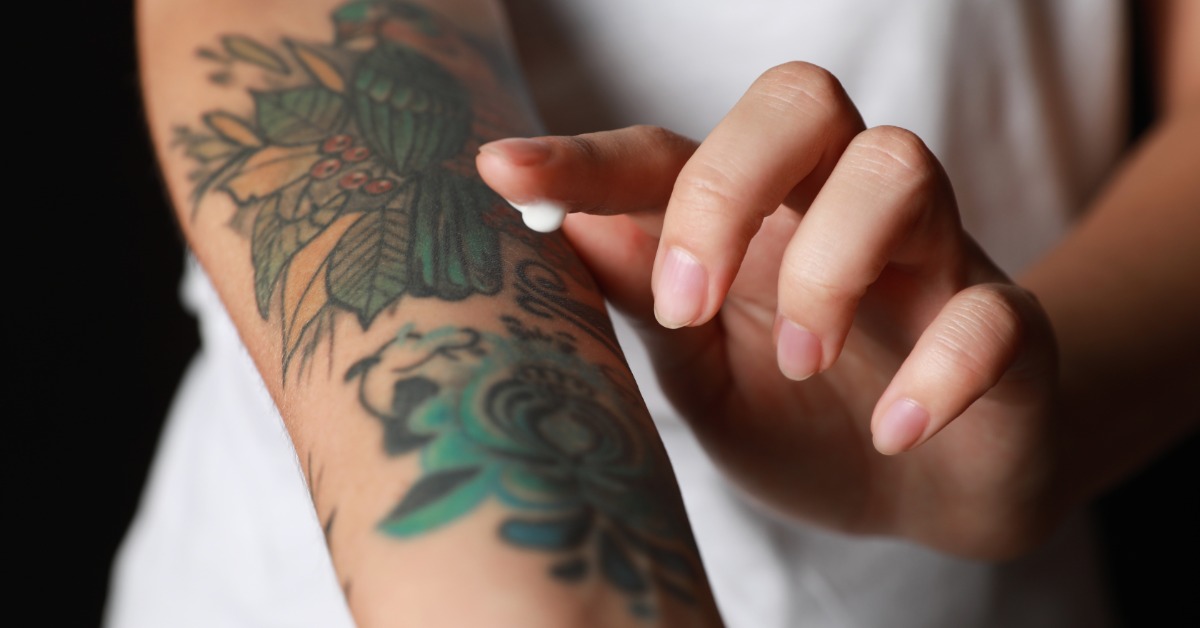
A tattoo becomes part of your skin, and that change can affect how you approach personal care each day. Fresh artwork requires extra attention because the skin needs time to recover after repeated needle contact. Even after recovery, your tattoo can influence how you respond to dryness and daily exposure.
Daily skin care does not need to become difficult once you have a tattoo. A thoughtful routine can protect sensitive areas without forcing you to completely change the products you already use. Your skin will often tell you when it needs additional care through changes in comfort or appearance.
Fresh tattoos deserve the most attention because the skin remains vulnerable during the first stage of recovery. Established tattoos usually require far less specialized care once the surface returns to its normal condition. Understanding how tattoos can affect your daily skin care routine will make it easier to adapt your habits as your skin heals and its needs change over time.
Fresh Tattoos Need Extra Care
A fresh tattoo can feel tender or sensitive during the first stage of recovery. At this point, gentle care matters more than an elaborate routine filled with unfamiliar products. Your tattoo artist can provide specific advice based on the artwork and how your skin responds after the appointment.
Clean the area gently without aggressive contact that could leave the surface uncomfortable. Harsh pressure can place unnecessary stress on fresh skin before it has enough time to recover. After a shower, pat the tattoo carefully with a clean towel instead of rubbing across the sensitive surface.
Moisture Can Change Tattoo Appearance
Dry skin may make a tattoo appear less vibrant because the rough surface changes how the artwork looks. This effect does not always mean the tattoo itself has lost color beneath the skin. Restored moisture can help the surface appear smoother once dryness begins to improve.
Fresh tattoos require careful moisture control because excessive product can leave the area uncomfortable. Follow the instructions from your tattoo professional instead of constantly adding more moisturizer whenever the surface appears dry. Once recovery ends, your usual moisturizer may work well across the tattooed area.
Know What Normal Recovery Looks Like
A tattoo can pass through several visible changes before the skin returns to its usual condition. Mild redness may appear soon after the appointment as the skin responds to the tattoo process. The surface can also develop a different texture as natural recovery continues.
Learning what is normal when a tattoo is healing will help you understand how your skin may change throughout the recovery process. Familiarity with normal recovery can also make unusual changes easier to recognize. Seek medical advice whenever symptoms become severe or create concern about the health of your skin.
Sun Exposure Deserves Attention
Sunlight can affect tattooed skin over time, especially when artwork sits on areas that remain exposed outdoors. Frequent ultraviolet exposure can gradually alter the way tattoo colors appear beneath the skin. Your daily skin routine should account for this exposure once the tattoo has fully recovered.
Fresh artwork needs a more cautious approach because the skin remains sensitive during recovery. Physical coverage can keep direct sunlight away from the area until normal skin care becomes appropriate again. Once recovery ends, sun protection can become part of the same routine you use across other exposed skin.
Skin Products May Feel Different
A product that feels comfortable elsewhere may cause a different reaction across sensitive tattooed skin. This difference becomes especially noticeable when the tattoo remains fresh, and the surface has not fully recovered. Simple care often provides a better approach during this stage.
Older tattoos generally become easier to incorporate into your normal skin routine. However, sensitivity can still develop if a product does not agree with your skin. Stop using a formula that repeatedly causes discomfort and consider professional advice when the reaction does not improve.
Exfoliation Requires More Patience
Fresh tattoos should have enough time to recover before normal exfoliation resumes. Scrubbing the area too early can place unnecessary stress on skin that remains delicate after the tattoo procedure. A patient approach allows the surface to recover without extra interference.
Once the tattoo has fully recovered, you can gradually return to the routine your skin tolerated before. Pay close attention to how the tattooed area responds after each treatment. Persistent redness or discomfort can indicate that the skin needs a gentler approach.
Shower Habits Can Affect Comfort
Very hot water can remove natural moisture and leave tattooed skin feeling tight after a shower. A comfortable water temperature places less stress on skin that already feels dry or sensitive. Fresh tattoos may require even more care during normal showers.
Keep direct pressure gentle when water passes across recently tattooed skin. Extended water exposure should wait until the tattoo has completed the appropriate stage of recovery. Your tattoo professional can explain when you can safely return to your usual habits based on how the area looks.
Exercise Can Affect Fresh Artwork
Exercise can place additional stress on fresh tattooed skin through repeated movement across the affected area. Artwork near a joint may feel particularly sensitive when normal exercise stretches the surrounding skin. Consider how the tattoo feels before you return to your usual physical routine.
Give your skin enough time to recover before you place unnecessary pressure on the area. When exercise feels comfortable again, maintain gentle skin care after each session. A mild shower can refresh the area without creating excessive contact across the tattooed surface.
Weather Can Change Skin Needs
Your tattooed skin may feel different as weather conditions change throughout the year. Dry air can reduce natural surface moisture and leave the artwork feeling rough or uncomfortable. Adjusting your moisturizer use can help your routine respond to those changes.
Hot weather can also affect how tattooed skin feels during normal daily activities. Greater outdoor exposure may place additional stress on areas that remain uncovered for extended periods. Respond to your skin rather than maintaining a routine that no longer suits current conditions.
Keep Your Routine Simple
A daily tattoo skin care routine should fit naturally into the routine you already use to support healthy skin. Once the artwork has recovered, you usually do not need to treat the area as permanently fragile. Instead, pay attention to comfort and adjust whenever the skin starts to feel different.
Your skin needs can change over time as your environment and daily habits change. A routine that once felt comfortable may eventually require a different approach. Professional medical advice can provide additional direction whenever persistent irritation makes normal skin care difficult.
Tattoos can change your daily skin care routine most noticeably during the initial recovery period. Fresh artwork needs gentle attention because the skin requires time to restore its normal protective surface. Once recovery ends, tattoo care can fit naturally into the routine you already follow.
Healthy tattooed skin does not require a complicated approach. Consistent attention to how your skin feels can help you respond before minor discomfort becomes a persistent problem. With thoughtful daily care, your tattoo can remain part of your normal skin routine without making that routine difficult.


