There is always room on the high street for more retail stores selling clothes. People like to be able to see clothes in person and try them on, so they can picture themselves wearing and living in the clothes you sell. While it can be profitable to sell clothes online, selling clothes in a retail store has a lot of potential for success.
However, it’s still a lot of hard work and you have to make sure that you can make enough sales and attract customers all the time. Here are some tips to help you get started.
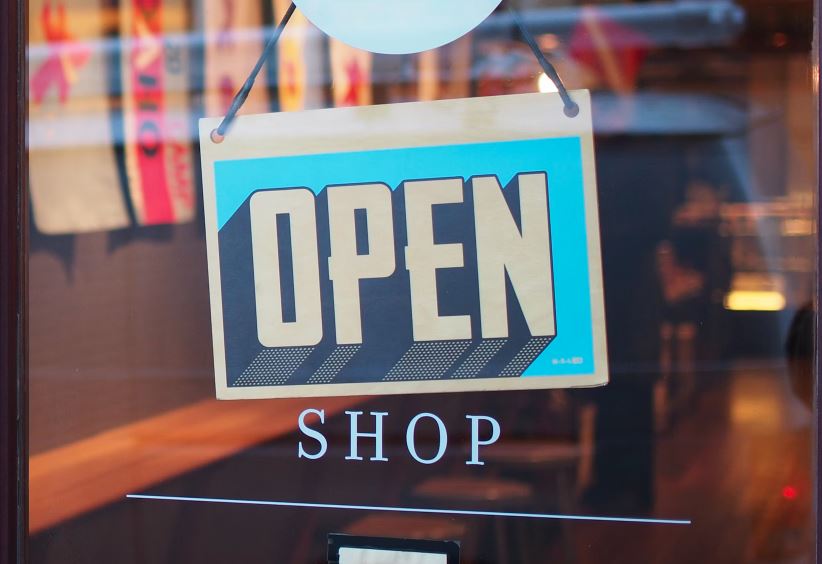
Location of Your Store
As mentioned before, the high street is the home of shopping. So it makes sense that you want to put your clothing store in as central a location as possible. Ideally, you want to have a lot of footfall so that passers-by are more likely to pop into your store and browse items.
However, this isn’t always easily managed. Buying or renting commercial spaces can be expensive, so balance location with the cost of the property. Another option is to rent a space in a shopping center, but prices can be even higher.
Finally, depending on your local area, you might be able to set up a market stall. This is a cheaper option and can be great for small businesses trying to expand. Whether you’re based in a store or from home, this can be a great way to market your business.
Hiring Employees
When you run a store, the chances are that you’d struggle to run everything yourself. It’s often a good idea to hire employees to help you keep things going.
When hiring employees, think about the roles you need them to work and look for employees with past experience in retail stores. You might want to hire different people to stock your shelves and to man the cashiers, for example. People have different skills, and it’s helpful to use them wisely.
As your business grows, you can shift from a salesperson role to more of a management role, because you will need to take care of more employees.
To keep both staff and sales on track as your store scales, it helps to centralize the data you rely on so decisions aren’t based on guesswork. Many independent retailers now use retail strategy management software to monitor sales by SKU, track inventory in real time, and measure customer satisfaction alongside employee productivity.
A single dashboard makes it easier to spot slow-moving lines, reallocate staffing where it’s needed most, and set measurable targets for your team. This data-driven approach lets small stores respond quickly to trends without requiring complex IT setups.
Finding Wholesale Stock
Stocking your store is one of the most important things you need to consider when running your business. You need to find a balance between spending too much and overextending yourself and not buying enough products and losing out on sales.
Use fashion wholesalers who can provide you with discounted products in bulk so you can sell them at a profit. You should also make sure that you keep an eye on trends. Good wholesalers will stock products that are likely to sell, but think about your brand and your customers.
Once you have found the stock that works best for your store, make sure that you display it well and price it appropriately. If something is too cheap, it will cut into your profits, but overly expensive products can turn away customers.


