
Weft hair extensions have become incredibly popular in the past few years, with many people opting for this method to achieve longer, fuller hair. Wefts are bundles of hair that are sewn or glued onto the natural hair to add volume, length, or both. Let’s explore the different types of weft hair extensions, their advantages and disadvantages, how to apply and maintain them, and more.
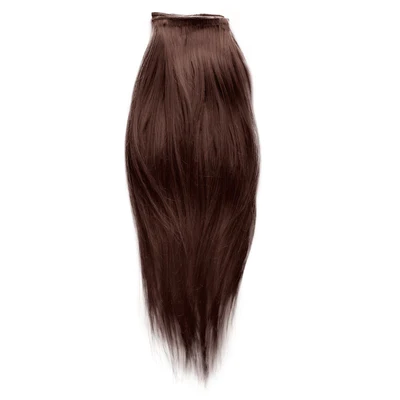
There are three types of weft hair extensions: hand-tied, machine-tied, and skin weft. Hand-tied wefts are made by hand, and the hair is tied onto a weft with a needle and thread. Machine-tied wefts are made using a machine, and the hair is sewn onto a weft. Skin weft hair extensions are made using a thin, transparent polyurethane strip to which the hair is attached.
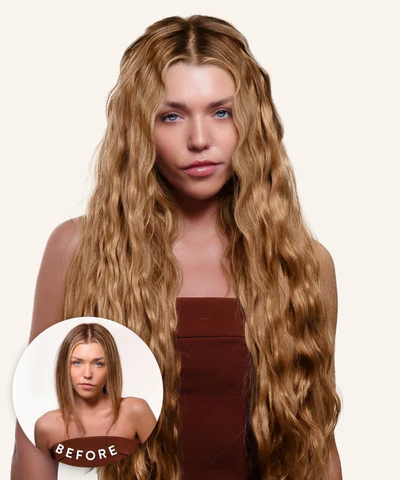
Pros of using weft hair extensions
Weft hair extensions have several advantages, including:
- Long-lasting: Weft hair extensions can last up to 6 to 8 weeks, depending on how well they are maintained.
- Easy to maintain: Wefts are easy to maintain and can be styled just like natural hair.
- Versatile styling options: Weft hair extensions can be styled in various ways, including braids, ponytails, and updos.
- More affordable compared to other methods: Wefts are more affordable compared to other methods, such as tape-ins or microbeads.
Cons of using weft hair extensions
Weft hair extensions also have some disadvantages, including:
- May cause damage to natural hair: Improper application or removal of weft hair extensions can cause damage to natural hair.
- Can be uncomfortable if not applied properly: Wefts can be uncomfortable if they are not applied correctly, and they may cause headaches or discomfort.
- Regular maintenance required: Wefts require regular maintenance, including brushing and washing, to ensure they remain in good condition.
- May not be suitable for all hair types: Weft hair extensions may not be suitable for people with fine or thin hair, as the weight of the extensions can cause strain on the natural hair.
Factors to consider before getting weft hair extensions
Before getting weft hair extensions, it is essential to consider the following factors:
- Hair type and texture: Weft hair extensions are not suitable for all hair types and textures.
- Lifestyle: Weft hair extensions require regular maintenance, which may not be suitable for people with a busy lifestyle.
- Budget: Weft hair extensions can be expensive, so it is essential to consider your budget before getting them.
- Maintenance: Weft hair extensions require regular maintenance, including washing, brushing, and styling.
Application and maintenance
Weft hair extensions are typically applied using one of two methods: sew-in or tape-in. The sew-in method involves braiding the natural hair in cornrows and then sewing the weft onto the braids. The tape-in method involves attaching the weft to small sections of natural hair using double-sided tape.
Once the weft hair extensions are in place, proper maintenance is crucial to keep them looking their best and to avoid damage to the natural hair. Here are some tips for maintaining weft hair extensions:
Brush your extensions regularly: Use a soft-bristle brush to gently detangle your weft hair extensions daily. This will help prevent tangling and matting.
1. Wash and condition your extensions regularly: Wash your extensions once a week using a sulfate-free shampoo and conditioner. Be gentle when washing and conditioning the extensions, and avoid rubbing or tugging.
2. Avoid heat styling: Heat can damage both natural hair and extensions, so it’s best to avoid using hot tools such as flat irons, curling irons, and blow dryers.
3. Use hair products that are safe for extensions: Choose products that are specifically formulated for use with hair extensions, as they are less likely to cause damage or breakage.
4. Be careful when sleeping: Tie your hair up in a loose ponytail or braid before going to bed to prevent tangling and matting.
5. Regular maintenance: Visit a professional stylist for regular maintenance appointments to ensure that the extensions are properly maintained and to have them removed when necessary.
To remove weft hair extensions, the process varies depending on the application method. If you have sew-in extensions, they will need to be carefully cut out using scissors or a seam ripper. If you have tape-in extensions, a special solution is applied to the tape to loosen it before the extensions are gently removed.
Indeed, weft hair extensions can be an excellent way to achieve longer, fuller hair. However, it is essential to consider the advantages and disadvantages, factors to consider before getting them, and the application and maintenance process. By understanding these factors, you can decide if weft hair extensions are the right choice for you.
If you are considering getting weft hair extensions, it is recommended that you consult with a professional to ensure they are applied and maintained correctly. This will help prevent damage to your natural hair and ensure that the weft hair extensions are comfortable and long-lasting.
NOTE: Any type of wig/hair extensions are Haram in Islam, so it’s not for Muslims. This content is a guest post and doesn’t belong to Khadija.
Also Read


