Image: Freepik
If you are moving to the countryside, you may need to rethink your vehicle needs. If you are living in a remote or rural area, the chances are that you’ll need a reliable car to get around and remain independent. Plus, a small city car designed for urban areas may just not be reliable enough to navigate countryside lanes, mud, and uneven surfaces. That’s why you may consider making an investment and purchasing a car that is suitable for your new lifestyle. In this guide, we’ll look at some factors worth considering before bringing home your new vehicle.
Opt For 4×4 (or A Suitable Vehicle)
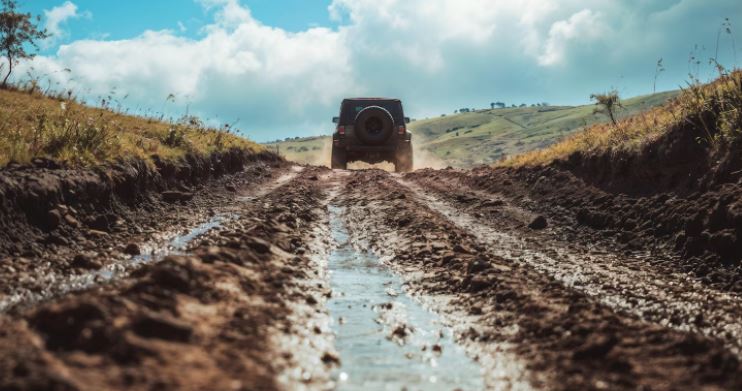
Firstly, the choice of car type really matters! A city car may not be equipped to handle the demands of countryside driving. So, you’ll want to explore options such as SUVs with all-wheel drive (4×4) mode, such as a range rover defender. You may also look for other features and amenities that make driving safer and more comfortable in rural settings, such as enhanced suspension for rough roads and higher ground clearance for uneven terrain.
Keep Up With Maintenance
After the initial car purchase, you’ll also need to keep up with maintenance. While it may be tempted to reduce the initial cost by purchasing an older car, keep in mind that your vehicle’s age and brand can influence its running costs.
Some of the maintenance tasks to keep up with to keep your vehicle in good shape throughout the years include:
- Changing oil and filters
- Adjusting tire pressure and keeping up with inspections
- Inspecting and replacing brake pads
- Monitoring fluid levels
- Scheduling routine servicing
- Keeping lights and wipers in good conditions
Check Storage And Cargo Needs
When choosing your car, you’ll want it to match your lifestyle and driving preferences. If you need to often drive through countryside lanes or are planning to live off-grid, you may need to invest in larger storage spaces, such as a large, versatile boot. You’ll thank yourself when hauling tools, renovation materials, groceries, or even your dogs!
Optimize Fuel Efficiency For Rural Driving
Understanding how to drive for fuel efficiency can help you reduce fuel costs and maintain your car in the best shape. Some tips for better rural driving include:
- Maintain a steady speed and use cruise control when possible
- Accelerate and brake smoothly
- Plan routes to avoid unnecessary rough terrain
- Keep tires properly inflated
- Remove excess weight from the vehicle, such as tools, cargo, and rooftop tents that are not needed
- Turn off the car when waiting
- Use air conditioning wisely, as it can increase fuel consumption
- Shift to higher gears sooner when driving manual vehicles
- Keep up with regular engine servicing
Prepare For Seasonal Weather Conditions
Last but not least, be aware of the impact that weather can have. Ideally, you’ll want to be able to shield your car from extreme heat and cold, strong sun rays (especially during summer), and weather events such as hail or heavy rain. If rain, snow, or ice are in the forecast, get ready by using the right tires and gearing up your vehicle for safer driving!


