
Caring for your jewelry correctly can help maintain its beauty, prolong its lifespan, and prevent damage. Certain types of jewelry, such as Celtic jewelry, may require additional care. Learn more here. Let’s explore some jewelry maintenance tips and a general guide for cleaning different types of jewelry.
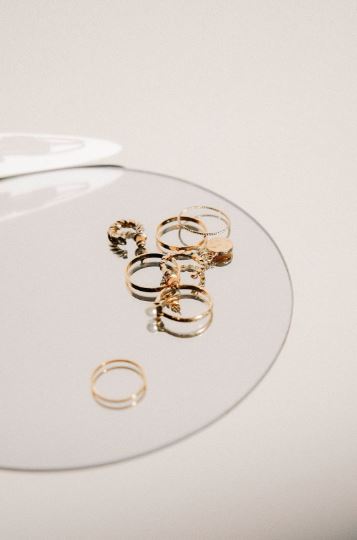
Storage
How you store your jewelry will play a crucial role in its beauty and longevity. Pieces of jewelry should be stored in a clean, dry, and preferably lined jewelry box or pouch to protect it from scratches, dust, and moisture.
It’s essential to keep different jewelry pieces separate to prevent tangling and potential damage, especially if you are about to move your collection elsewhere. Jewelries are made from various materials with different durability levels and can easily scratch one another in motion. It’s also worth noting that if you have children or house pets, your shiny jewelry pieces may attract them. To avoid unnecessary damage, ensure that your jewelry pieces aren’t easy to reach or keep them in a jewelry box somewhere secure.
General Care
Many people love their jewelry as it holds special meaning. However, putting it aside when you engage in certain tasks doesn’t mean you care about it less—quite the opposite. When you remove jewelry before engaging in activities that could expose it to chemicals, harsh substances, extreme temperatures, or physical impact, you protect it.
Even the PH of your skin can have a negative effect on certain types of pieces of jewelry, which means that in some instances, even prolonged usage might be detrimental. You should generally avoid wearing jewelry while swimming, bathing, exercising, or engaging in household chores. This will also lower the risk of losing your jewelry.
Cleaning Guide
How you clean your jewelry plays a crucial role in its longevity and beauty. To clean precious metals such as gold, silver, or platinum, you should use a soft, lint-free cloth to wipe away dirt, oils, and fingerprints gently.
For more stubborn dirt, create a solution of warm water and mild dish soap. Soak the jewelry for a few minutes, then gently scrub with a soft brush such as a soft toothbrush or jewelry cleaning brush. Rinse thoroughly and pat dry. Avoid using abrasive cleaners or brushes that could scratch the metal’s surface.
Regarding gemstones such as diamonds, sapphires, rubies, and others, you can also use a soft, lint-free cloth to wipe them gently. You can use the same steps mentioned earlier to clean most gemstones.
Use warm water with dish soap and soak the jewelry briefly, then gently scrub with a soft brush. Rinse thoroughly and pat dry. However, it’s worth mentioning that some gemstones require specific care. For example, pearls are delicate and should be cleaned with a soft cloth moisturized with water only. Opals and emeralds are also very sensitive and may require special care.
If you have costume jewelry, then you should avoid exposing it to water, moisture, and excessive sunlight, as it can cause discoloration and damage. Use a soft cloth to wipe away dirt and oils gently, and avoid harsh chemicals or abrasive cleaners. Store costume jewelry. Such as brooches in a cool, dry place away from direct sunlight.
Professional Cleaning and Inspection
Sometimes, it’s worth taking your jewelry to a professional cleaning session. There, the jeweler can also inspect your jewelry and check for loose stones, worn prongs, or any other issues that may require repair.
It’s always a good idea to consult the specific care instructions provided by the jeweler or manufacturer for your particular pieces of jewelry. Seek professional advice when you are in doubt to ensure proper care and jewelry maintenance.
Also read
Elegant Jewellery Sets: Capturing Simplicity and Style
5 Ways To Up Your Jewellery Game
5 Common Errors with Choosing Jewelry and How to Avoid Them
**SP**


