As winter sets in, you may notice greater skin sensitivity and challenges, especially acne and breakouts. The colder months can wreak havoc on our skin, increasing the likelihood of pesky pimples. Learn why your skin condition tends to worsen in the winter and valuable tips for preventing acne and breakouts!
Why Does Acne Get Worse in the Winter?
There are many factors that can make acne worse in the winter. First, the cold air tends to be drier, which can strip the skin of its natural moisture. To combat this dryness, many individuals turn up their indoor heat, further depleting the air of humidity. This dry atmosphere can increase oil production as the body tries to compensate for the lack of moisture.
Additionally, heavy skin-care products during winter can trap dead skin cells and oil, clogging pores and creating a breeding ground for acne-causing bacteria. Understanding these factors is crucial to implementing effective preventive measures.
Tips for Preventing Breakouts
Hydrate Your Skin
Combat the dryness of winter air by incorporating a hydrating skin-care routine. Use a gentle cleanser and follow up with a rich but non-clogging moisturizer to lock in hydration without blocking your pores.
Choose the Right Moisturizer
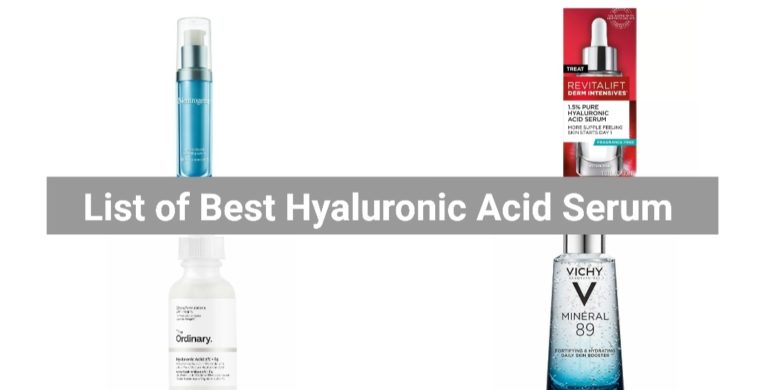
Opt for oil-free or water-based moisturizers to hydrate your skin without exacerbating acne. Look for ingredients like hyaluronic acid, glycerin, and ceramides that moisturize without adding unnecessary oils.
Stay Hydrated Internally
While you need to moisturize your skin, don’t forget to stay hydrated from within. Drinking adequate water helps you maintain your skin’s natural moisture balance and supports overall skin health.
Limit Hot Showers
Hot showers may be tempting in the winter, but they can strip your skin of natural oils, leading to dryness and potential breakouts. Opt for lukewarm water and keep your showers short to prevent excessive dryness.
Exfoliate Regularly
Incorporate a gentle exfoliation routine to remove dead skin cells that can contribute to clogged pores. Choose a mild exfoliant with salicylic or glycolic acid to promote cell turnover without irritating the skin.
Pick the Right Bed Sheets
We spend several hours each day in bed, whether resting or sleeping. Selecting the right sheets and pillowcases to promote healthy skin is important. Cotton is ideal for acne-prone skin, as it’s breathable and typically all-natural. Silk and bamboo are also natural materials that can reduce irritation and redness.
Adjust Your Skin-Care Routine
Consider adjusting your skin-care routine based on your skin’s changing needs during winter. You might need a lighter, hydrating serum and a heavier moisturizer to maintain balance.
Understanding the reasons behind winter acne and adopting a thoughtful skin-care routine can effectively prevent breakouts and maintain radiant, healthy skin throughout the colder months.
Try not to stress about changes in your skin—this is completely normal! When you do your best to keep your skin hydrated and healthy, you’ll notice significant improvements and reduced breakouts. These tips will help you confidently face winter.