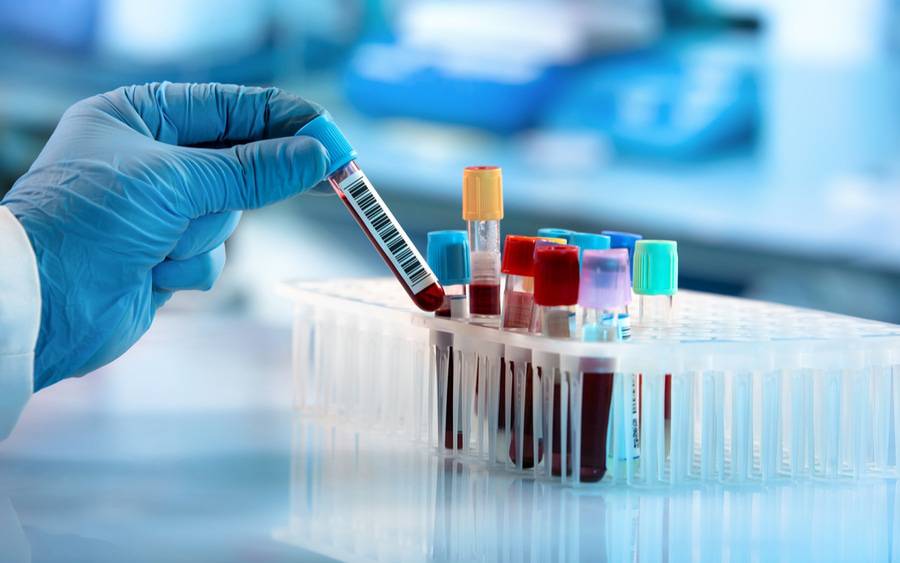
Maintaining good health has become more crucial in today’s fast-paced world. Regular health check-ups are pivotal in preventing and identifying potential health issues. With the advent of technology, it is now convenient to monitor your health from the comfort of your home. Taking a blood test at home has gained popularity as a convenient and efficient way to track your health. Here’s a comprehensive list of the top 10 blood tests you can do at home to ensure your well-being.
1. Lipid Profile:
A lipid profile test measures your cholesterol levels, which include triglycerides, high-density lipoprotein (HDL), and low-density lipoprotein (LDL). High LDL levels are linked with the risk of heart disease, while higher HDL levels are associated with a lower risk. Monitoring these levels effectively helps you manage your cardiovascular health and keep your heart in shape.
2. HbA1c Test:
The HbA1c test, also called haemoglobin A1c test, gives a precise picture of your blood sugar levels over the past few months. Individuals with diabetes and prediabetes need to manage their condition effectively. By tracking your Haemoglobin A1c levels, you can gauge how well you manage your blood sugar.
3. Vitamin D Test:
Vitamin D is paramount in maintaining bone health and supporting the immune system. A deficiency can lead to weak bones, fatigue, and increased infection susceptibility. Testing your vitamin D levels can help you determine whether you need to adjust your sun exposure or dietary intake of this essential vitamin.
4. Thyroid Function Tests:
Thyroid function tests, including TSH (Thyroid-Stimulating Hormone), T3 (Triiodothyronine), and T4 (Thyroxine), evaluate the performance of your thyroid gland. An imbalanced thyroid can lead to various health problems, such as fatigue, weight gain, and mood swings. Testing for thyroid function ensures that your thyroid is functioning optimally.
5. Haemogram (CBC Test)
A Haemogram, commonly called CBC Test, provides information about your overall health and detects conditions such as anaemia, infections, and other disorders. It takes the measurements of the levels of the white blood cells (WBCs), red blood cells (RBCs), and platelet count in your blood. Regular CBC testing lets you catch potential health issues early on and ensures your body’s basic functions are optimal.
6. Liver Function Panel:
The liver function panel measures enzymes and proteins in your blood to assess the health of your liver. A healthy liver is vital for proper digestion and metabolism. Monitoring liver function can help detect liver diseases, such as hepatitis or cirrhosis, in their early stages when they are more manageable.
Beyond common conditions, it’s also important to be aware of environmental factors that can impact liver health. For instance, long-term exposure to certain chemicals like PFAS has been increasingly linked to severe liver damage, including hepatocellular carcinoma, the most common form of liver cancer.
These ‘forever chemicals’ can accumulate in the liver, disrupting metabolic processes and inducing oxidative stress that contributes to cancer development. Understanding these less common but serious risks is vital for comprehensive health awareness, especially as studies continue to review liver cancer cases involving PFAS exposure and their profound health implications.
7. Kidney Function Panel:
The kidney function panel evaluates how well your kidneys are functioning by measuring creatinine levels and blood urea nitrogen (BUN) levels in your blood. Kidney problems can progress silently, but early detection through at-home testing can help you take steps to prevent further damage.
8. C-reactive Protein (CRP):
The C-reactive Protein (CRP) test is a marker of inflammation in the body. Chronic inflammation is often associated with various diseases, including heart disease and arthritis. Monitoring CRP levels can help you identify inflammation and take steps to reduce it through lifestyle changes and medical intervention.
9. Ferritin Blood Test:
Iron is a vital component for producing red blood cells and overall energy levels. Low iron levels can lead to anaemia, characterised by fatigue and weakness. Regularly testing your iron levels can help you ensure you get enough of this vital mineral.
10. Blood Sugar Test:
The blood sugar test, commonly known as blood glucose monitoring, measures the glucose concentration in your blood. Individuals with diabetes must track their blood sugar levels regularly. Home blood sugar testing allows for timely adjustments in medication, diet, and lifestyle to maintain stable blood sugar levels and prevent complications.
In conclusion, a blood test at home offers a convenient way to monitor your health and catch potential issues early on without the hassle of visiting a clinic. If you’re considering getting a home-based blood test done, you might be wondering about the blood test price. However, you don’t need to; they are not only convenient but also very affordable. Regularly keeping track of these top 10 blood tests can provide valuable insights into your cardiovascular health, blood sugar levels, nutrient status, thyroid function, and more without making a hole in your pocket. But don’t forget to consult a healthcare professional to fully interpret the results and receive appropriate guidance based on your health profile.
Also Read
Everything About blood tests| Types| Benefits
Empowering Healthcare Innovation: Exploring Australian Healthcare Week 2023